

- QUASAR
- AquaCycle
- Proteins4Singapore
- Singapore's Pathway to Carbon Neutrality
- CellFACE
- LightSPAN
- Computational Modelling Group
- Energy and Power Systems Group
- SITEM - Singapore Integrated Transport and Energy Model
- Past Projects
News
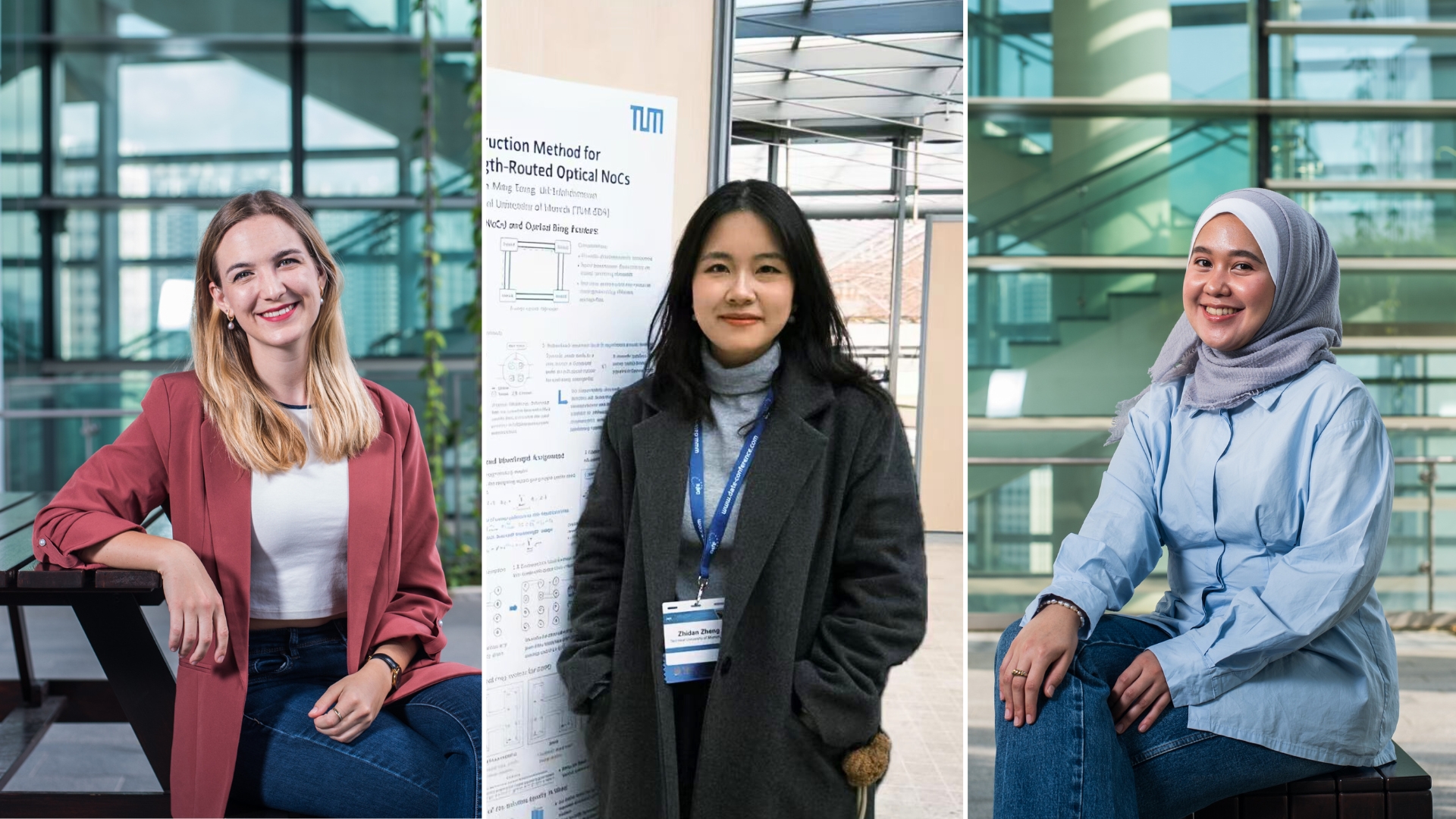
The Questions That Made Us Researchers, Leaders, Women in STEM
International Women’s Day 2026 06.03.2026In honour of International Women’s Day, we sat down with three women at TUMCREATE to reflect on the questions that shaped their paths towards science, research and leadership.
Here’s Sophia Morsten, Zhidan Zheng, and Nadyssa Willanda’s story.
Sophia Morsten
Research Associate under Proteins4Singapore Project
What question first drew you to your field?
“During a hospital internship, I was of course very fascinated by surgical robots, but I found myself unexpectedly captivated by the patients’ meal orders. Listening to them share how their diseases dictated their diets made me realise just how important their daily meals were to them.
This led me to ask how our daily food intake impacts us and made me want to explore the countless interconnected topics behind food and human health.”
What questions made you realise you belonged in STEM?
“I have never really thought in terms of STEM or not STEM, but my direction became clear when I was baking a cake and wondered why egg whites will not whip stiff if there is even a drop of yolk in them. It truly satisfied me to understand this on a chemical level, so I knew I had to pursue something with biology and chemistry.
You can imagine how ‘egg-cited’ I was when I found out one could actually study food science!
What question has stayed with you throughout your career?
“On a light-hearted, daily basis, the question is often simply, ‘What do I eat for lunch?’. However, professionally, I am constantly struck by how much people assume they know about food while the processing steps remain completely non-transparent. This leaves me wondering how future food choices should be made, provided and processes so that we are no longer making uninformed daily decisions.”
Zhidan Zheng
Research Fellow under QUASAR Project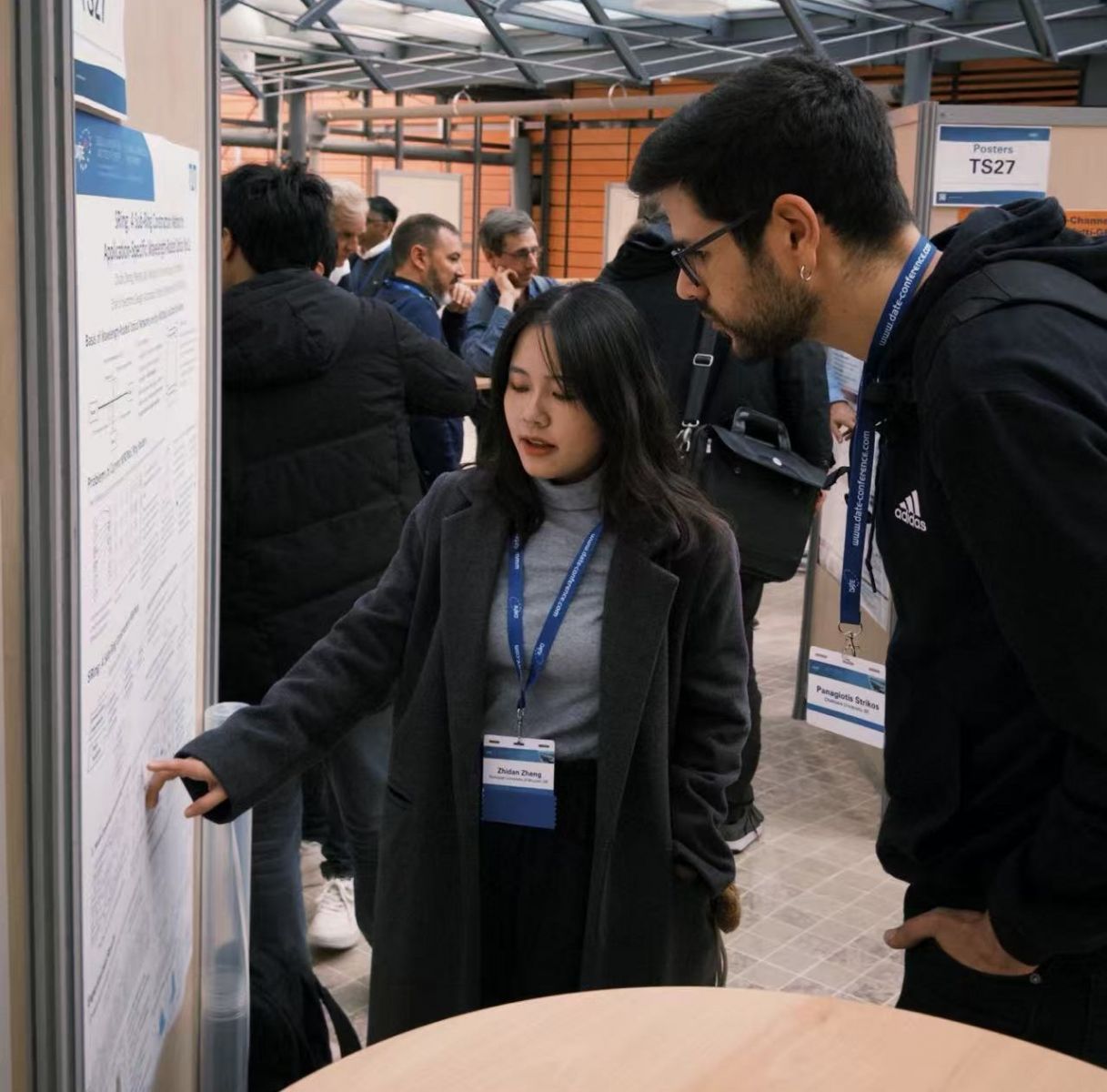
Was there a question that shaped your path?
“During my master’s thesis, my PhD mentors once told me that I had a talent for research. It was not phrased as a life-changing question, but it quietly became one in my heart: “Could I really do this?”
I had never thought of myself as someone ‘gifted’. I always believed what I achieved came from effort, not talent. Their words surprised me – almost embarrassed me – yet at the same time, opened a small door to me. For the first time, I allowed myself to consider the possibility that I might belong in academia.”
What question has stayed with you?
“Is there something in this world that only I can do, or change?
I don’t think this means something grand or heroic. It might simply mean a problem I can see clearly, a connection I can make, or a path I can build in my own way. Research became meaningful to me because it gives space for that search.
What truly defines me is the ability to sit with a difficult question, to look at it from different angles, and to persist until I find clarity. That realisation changed how I see myself – not as someone defined by achievements, but by the way I think.”
What would you tell young women entering STEM?
“Do not ask, “Am I good enough?”
Ask instead, “What am I curious enough to pursue?”
When you face doubt, negativity, or failure, do not let anyone define you or beat you down. Stand up again. We are braver and stronger than we sometimes allow ourselves to believe. So don’t stop dreaming, ladies.
Curiosity is stronger than fear.”
Nadyssa Willanda
Research Associate under Proteins4Singapore Project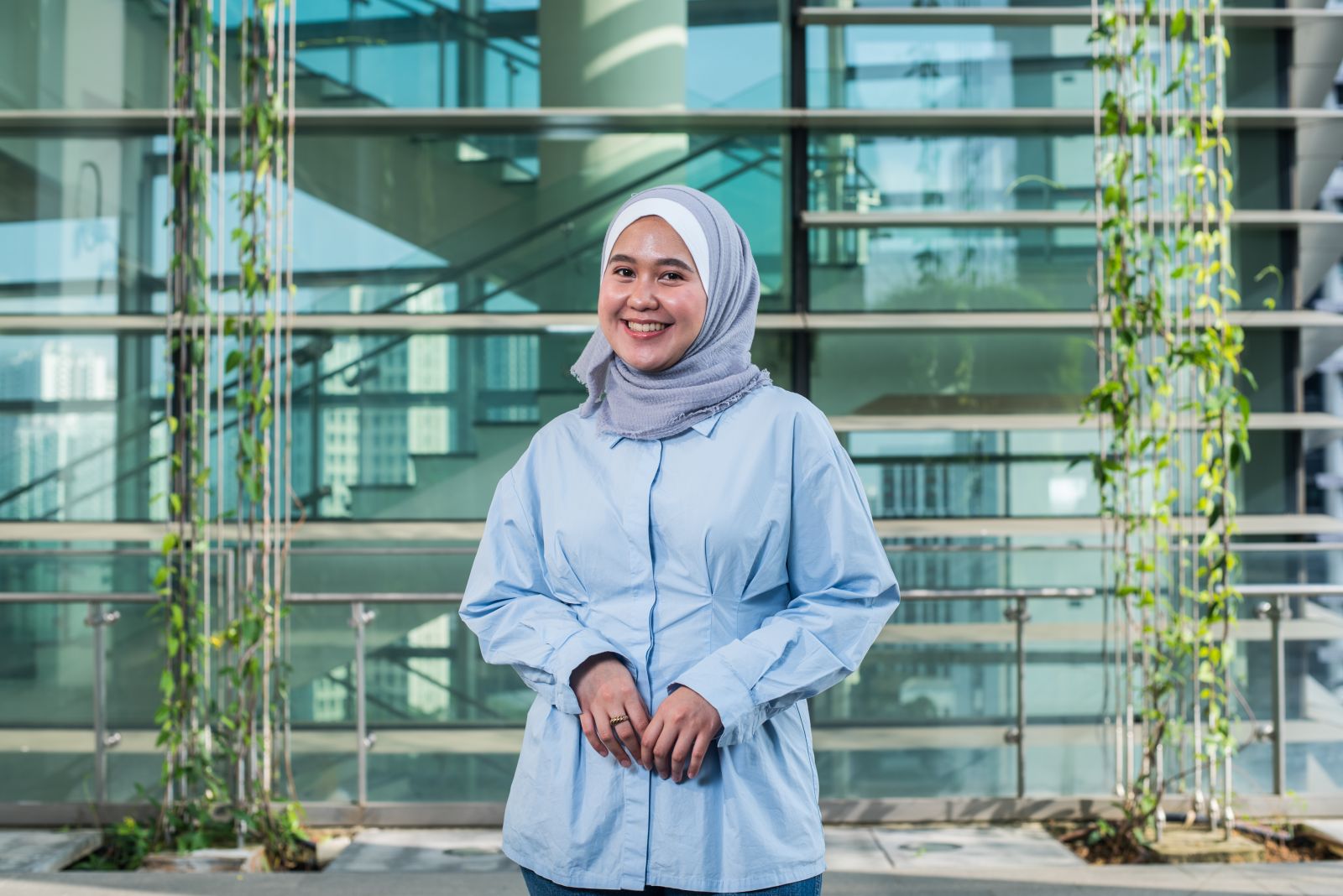
Was there a question that made you ponder a career in science?
“I’ve always been the kind of person who asks, “But what’s actually going on?”
There must be an explanation to this phenomenon or interaction. Not in a rebellious way – just genuine curiosity about mechanisms and why it is the way it is. Science just felt like a natural place to satisfy that instinct. It gives you tools to go beyond vibes and actually understand processes. So not a, “I want to be a scientist,” but “I need to understand how that works.”
At some point during my PhD, I had to ask myself: Do I still belong here if I don’t romanticize this? Curiosity gets complicated under pressure. Research can become performative. Metrics creep in. You forget why you started. But I realized I don’t need to glorify science to belong in it. I don’t see STEM as superior to the humanities. They’re dialectical, they shape each other. Chemistry explains flavour. Culture gives it meaning. Politics shapes access. Psychology determines desire. The coexistence is the point. That’s where I’m comfortable.”
What drew you to your field?
“I work in flavour chemistry and I’ve always loved food. What fascinated me was realising how a single molecule, something so invisible, can completely make or break a flavour. It sounds small, but its powerful.
Taste is chemistry meeting psychology. It’s psychology, memory, culture, emotion layered onto molecules. It’s political. That intersection felt too interesting to ignore.”
What question would you like young women to ask?
“How can we maintain genuine curiosity in systems that sometimes reward output over reflection? I’m still learning how to protect that part of myself. If curiosity is our inheritance, then protecting it so we can ask better questions is simply honouring it.
At TUMCREATE, we are proud to work alongside women who continue to ask bold and thoughtful questions. Because progress does not begin with certainty. It begins with curiosity.
Happy International Women’s Day!