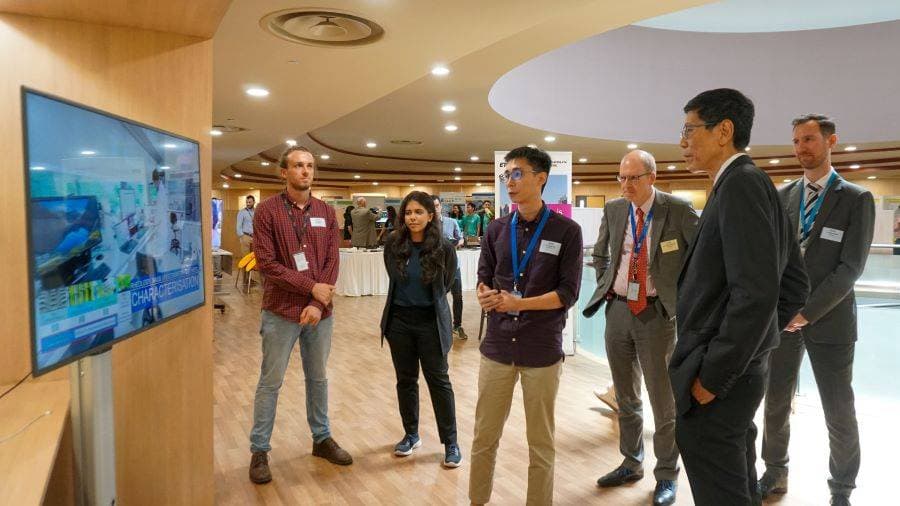
TUMCREATE Showcases Research at CREATE Symposium 2024 with Focus on Decarbonisation
Read about TUMCREATE’s showcase at the 2024 CREATE Symposium organised by the National Research Foundation (NRF) Singapore

Read about TUMCREATE’s showcase at the 2024 CREATE Symposium organised by the National Research Foundation (NRF) Singapore
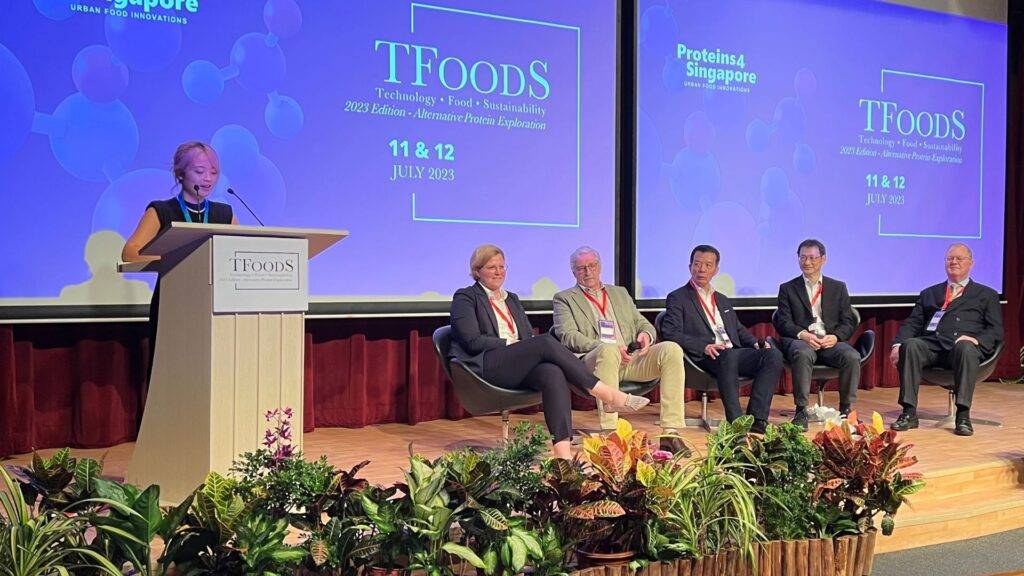
Featuring a cadre of food science and technology experts from all over the world, the inaugural TFoodS Conference spotlights the scientific insights in vertical farming, biotechnology and food engineering, food chemistry and molecular sensory science, as well as health and nutrition, in a bid to catalyse Singapore’s alternative proteins research and innovation ecosystem. The geographically dispersed and fragmented nature of Singapore’s food system is further complicated as more actors enter the local alternative proteins industry, adopting a myriad of technologies and innovations to cater to the increasingly dynamic dietary and nutritional needs. The TFoodS Conference serves as a platform for different actors across the food value chain to exchange expertise and strengthen the scientific understanding of some of the critical aspects of the food system. Bringing in food science experts from Germany, the Netherlands, the US, and EIT Food, the conference sees the deepening of synergy and collaboration across the food network. The collaboration between TUMCREATE and EIT Food culminates in a shark tank event where local food entrepreneurs pitch their food innovations to an expert jury to gain access to the exclusive EIT Food Venture Summit in Lisbon this coming November. Tuesday, 11 July 2023 – Close to 200 scientific and industry experts in vertical farming, biotechnology and food engineering, food chemistry and molecular sensory science, as well as health and nutrition from Europe and Singapore gather in Singapore on 11 to 12 July for the inaugural TFoodS Conference to present their research insights and findings in a bid to catalyse the alternative proteins research and innovations in Singapore. Hosted by TUMCREATE, a multidisciplinary research platform of the Technical University of Munich (TUM), the conference sees deeper synergy and exchange of scientific expertise between international food manufacturers and suppliers such as Nestle, Symrise, Bühler, food science experts from EIT Food and TUM, startups, and industry professionals as they exchange scientific insights and foster collaboration across the research, production, processing, and consumption of food. Driving innovation across Singapore’s food system Over the past years, Singapore has seen an extraordinary surge in the growth and development of its alternative proteins industry, and it is expected to grow[1]. According to think tank Good Food Institute (GFI), investment in alternative proteins [2]. Singapore is also the first country to allow the commercial sale of cultivated meat[3]. Against this backdrop, coupled with Singapore’s continual push to build its agri-food industry’s capability and capacity to sustainably produce 30% of its nutritional needs by 2030, an increasing number of actors are entering the alternative proteins industry adopting a myriad of technologies and innovations to cater to the increasingly dynamic dietary and nutritional needs. This further complicates Singapore’s pre-existing geographically dispersed and fragmented food system. There are currently more than 60 alternative protein companies based in Singapore, employing 790 people[4]. The absence of scientific know-how within the complex web of activities of Singapore’s food system poses a challenge for food entrepreneurs to find a breakthrough rapid enough to meet Singapore’s ambitious “30-by-30” goal. To drive innovation across the food value chain of alternative proteins, the TFoodS conference becomes a platform for them to exchange scientific insights and expertise to strengthen their understanding of the food system. In addition, the conference puts together a product fair for startups and companies to share and discuss their perspectives with other food science experts such as plant and algae specialists, food engineers, and microbiologists. Shark Tank event In partnership with EIT Food, the TFoodS Conference is also hosting a Shark Tank event in which food entrepreneurs will pitch their food innovations to an expert jury and gain direct access to the thriving food innovation ecosystem in Europe. Successful shark tank pitches will be able to gain access to the invite-only EIT Food Venture Summit in Lisbon, in which attendees will get the chance to meet and work with agri-food leaders. TUMCREATE’s CEO, Professor Ulf Schlichtmann, said, “The Proteins4Singapore research programme holds great potential in unlocking clues and accelerating our understanding towards the formation and interactions of proteins while offering life-changing technologies to secure a sustainable protein supply, which will make a difference for people in Singapore and other megacities. The deep collaboration fostered between the institutions straddling world-class expertise across a range of disciplines that TUMCREATE spearheads will pave the way towards a robust scientific research ecosystem essential to generate scientific breakthroughs to confront future challenges.” Proteins4Singapore Comprising renowned scientists for plant and algae cultivation and processing, Proteins4Singapore is looking into the optimal production of soybeans and micro-algae in a controlled environment to create protein-rich products with improved texture, flavour, and optimised nutritional profile. The research project will involve studies of the gut microbiome and its interaction with the tailored protein and peptide composition. Each technological process and the suggested production chain will be benchmarked against traditional methods using holistic life-cycle analysis for enhanced validity and ensuing opportunities for scaling and commercialisation. These new protein sources will be integrated into innovative processing methods to facilitate a new generation of proteins. One of them is the use of integrative and innovative extrusion systems in combination with 3D printing techniques to lead to large-scale, as well as decentralised production capabilities for plant protein-based foods with highly controlled and defined sensory perception functions. The formation of realistic textures similar to conventionally textured food will greatly improve consumer perception of such novel food products. The research teams combine that with the novel reverse food engineering approach that breaks down products and guides selection of the processing parameters to produce food with pleasant textures and improved sensory characteristics – a critical step towards creating nutritious and high-quality food products that will potentially open new doors for commercialisation opportunities. Harnessing world-class expertise in material science, process engineering and food chemistry from leading academic and research institutions – TUM, Nanyang Technological University (NTU) Singapore, Singapore Institute of Technology (SIT), and Agency for Science, Technology and Research (A*STAR) – the research programme propels forward a new generation of proteins that is nutritious and palatable. The unique position that Singapore is in will
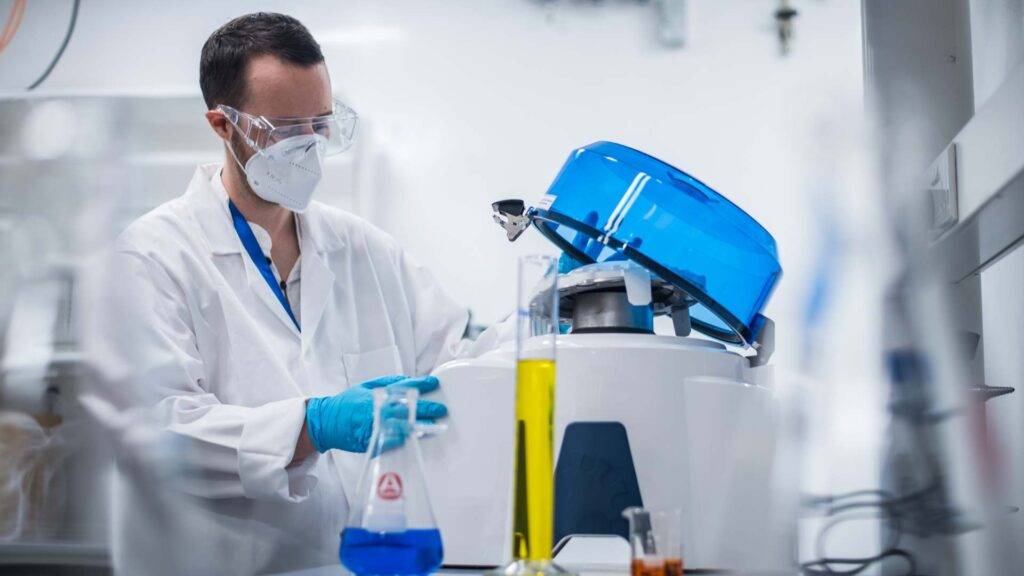
The Proteins4Singapore project which aimed to create a new generation of proteins that is nutritious and palatable to secure a sustainable alternative proteins supply for Singapore officially took over the lab space at CREATE Innovation Wing on 1 September 2022. This marks yet another milestone for the project, which comprises a consortium of food science experts spanning digital agriculture, food technology and biotechnology, health and nutrition and life-cycle analysis. Principal Scientist, Prof Thomas Becker who will be leading the Singapore’s research team, is set to create a new era of a sustainable, secure and resilient food production concept and contribute to Singapore’s ambitious 30-by-30 initiative. Click HERE for the research page.
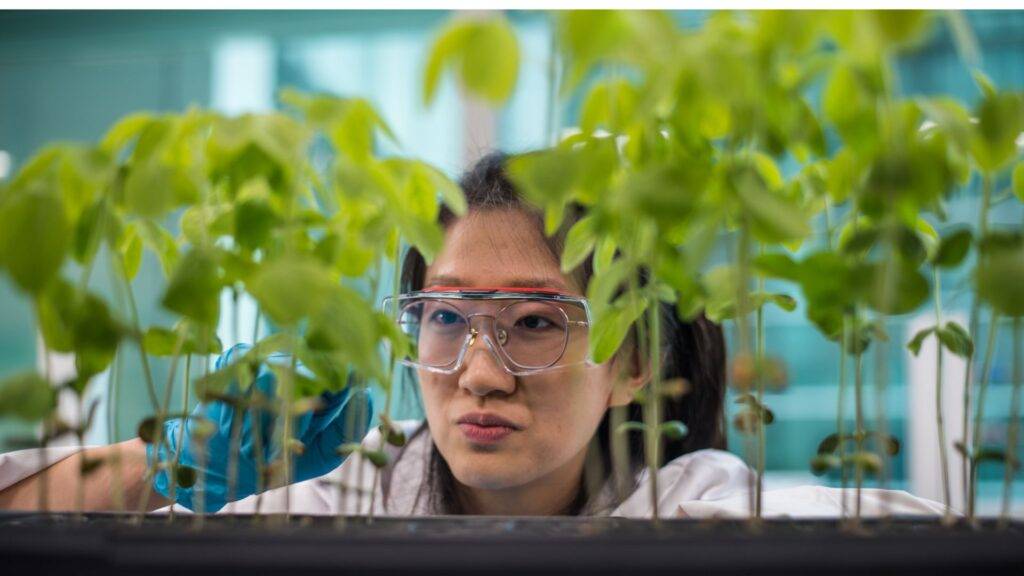
The Proteins4Singapore research programme harnesses world-class expertise in material science, process engineering and food chemistry by renowned academic and research institutions to propel forward a new generation of proteins that is nutritious and palatable. With the world’s population tipped to exceed 9.2 billion in 2050, there is an urgent need to provide food for the growing population amid ongoing urbanisation and depletion of the agricultural space. Proteins4Singapore will catalyse the scientific understanding of the relationship between proteins and their structural function and discover more about their aroma, taste, and texture interactions. The completion of the research will offer promising solutions to address one of the world’s most urgent challenges. Technologies emerging from this research will also offer new business opportunities in Singapore while strengthening the food supply in Singapore. Thursday, 28 April 2022 – TUMCREATE, a multidisciplinary research platform of the Technical University of Munich (TUM) at the Singapore campus, will lead the scientific research programme, Proteins4Singapore, to explore and secure sustainable sources of protein supply for food production in Singapore. This will potentially open new doors for commercialisation opportunities using novel reverse food engineering and additive manufacturing approaches. Harnessing world-class expertise in material science, process engineering and food chemistry from leading academic and research institutions – TUM, Nanyang Technological University (NTU) Singapore, Singapore Institute of Technology (SIT) and Agency for Science, Technology and Research (A*STAR) – the research programme propels forward a new generation of proteins that is nutritious and palatable. Funded by National Research Foundation, the research explores cutting-edge sustainable methods to derive protein sources from conventional side streams and revolutionise the way food is produced traditionally by creating food of highly defined textural, sensory and nutritional qualities. The first phase of its research will begin by employing vertical soybean and micro-algae farming to obtain a perfectly suited protein quality mix. Launched today at CREATE tower, the Proteins4Singapore Kick-Off event saw 50 scientists of interdisciplinary research facilities convening in a series of networking and dialogue sessions to share their latest research findings and to foster closer collaborations in food research. Keeping pace with rising global population With the world’s population tipped to exceed 9.2 billion in 2050,[1] there is an urgent need to provide food to the growing population amid mounting challenges such as climate crisis, ongoing urbanisation, depletion of the agricultural landscape, unexpected and disruptive events such as the COVID-19 pandemic Singapore, with only one per cent of the land available for food production, relies heavily on global supply chains for food. In 2020, the nation only produces 10 per cent of its food locally while importing 90 per cent of local food consumption from 170 countries[2] The inherent vulnerability of its food supply chain and the volatilities the food supply chain is subjected to have consequently urged the nation to push forward with its “30 by 30” plan of producing 30 per cent of Singapore’s nutritional needs by 2030.[3] Bridging food security gap amid challenges Against this backdrop, Proteins4Singapore will catalyse the scientific understanding of the relationship between proteins and their structural function and discover more about their aroma, taste and texture interactions. The completion of the research offers promising solutions to address one of the world’s most complex challenges. In addition, the technologies emerging from this research will also provide new business opportunities in Singapore while strengthening its food supply. The United Nations projected that by 2030, there will be 43 megacities exceeding 10 million people, while 68 per cent of the 10 billion global population will live in urban areas.[4] Thus, the unique position that Singapore is in will serve as a blueprint for globally relevant scenarios to supply nutritious food to a densely populated but land-limited urban population. TUMCREATE’s CEO, Professor Ulf Schlichtmann said, “The Proteins4Singapore research programme holds great potential in unlocking clues and accelerating our understanding towards the formation and interactions of proteins while offering life-changing technologies to secure a sustainable protein supply, which will make a difference for people in Singapore and other megacities. The deep collaboration fostered between the institutions straddling world-class expertise across a range of disciplines that TUMCREATE spearheads will pave the way towards a robust scientific research ecosystem essential to generate scientific breakthroughs to confront future challenges.” Facilitating a new generation of proteins At its core, the research will combine alternative protein sources, like micro-algae, protein-rich crops, or side-streams from aquaculture, on indoor farming concepts independent from arable land and climate change. These new protein sources will be integrated into innovative processing methods to facilitate a new generation of proteins. One of them is the use of novel reverse food engineering. This technique breaks down and separates food products into individual components to produce food with pleasant textures and improved sensory impressions – a critical step in creating nutritious and high-quality food products that has yet to be commercialised in the market. Another is the use of integrative and innovative extrusion systems in combination with 3D printing techniques to lead to large-scale, as well as decentralised production capabilities for plant protein-based foods with highly controlled and defined sensory perception functions. The formation of realistic textures similar to conventionally textured food will greatly improve consumer perception of such novel food products. Drawing expertise from different disciplines in material science, process engineering and food chemistry, the research will focus on establishing links between protein functionality, proteins’ interactions with other ingredients, sensory qualities, and the inherent processing methods using fundamental and application-based analytic techniques. About TUMCREATE: Founded in 2010, TUMCREATE is a multidisciplinary research platform funded by the National Research Foundation to foster bilateral research exchanges between Technical University of Munich (TUM) and relevant partners in Singapore. TUMCREATE collaborates with partner universities, public agencies, and industry for the advancement of future technologies in the fields of electromobility, smart cities, medical technology, and now – food science. Over the last years, the researchers of TUMCREATE have contributed to nearly 700 publications with their results. Website: https://www.tum-create.edu.sg Facebook: https://www.facebook.com/TUMCREATE LinkedIn: https://www.linkedin.com/company/tum-create-limited For further information, please contact: Peifen Chia