LightSPAN

Johann-TUMKolleg_1

From TUMKolleg to TUMCREATE: Johann’s Internship with the LightSPAN team

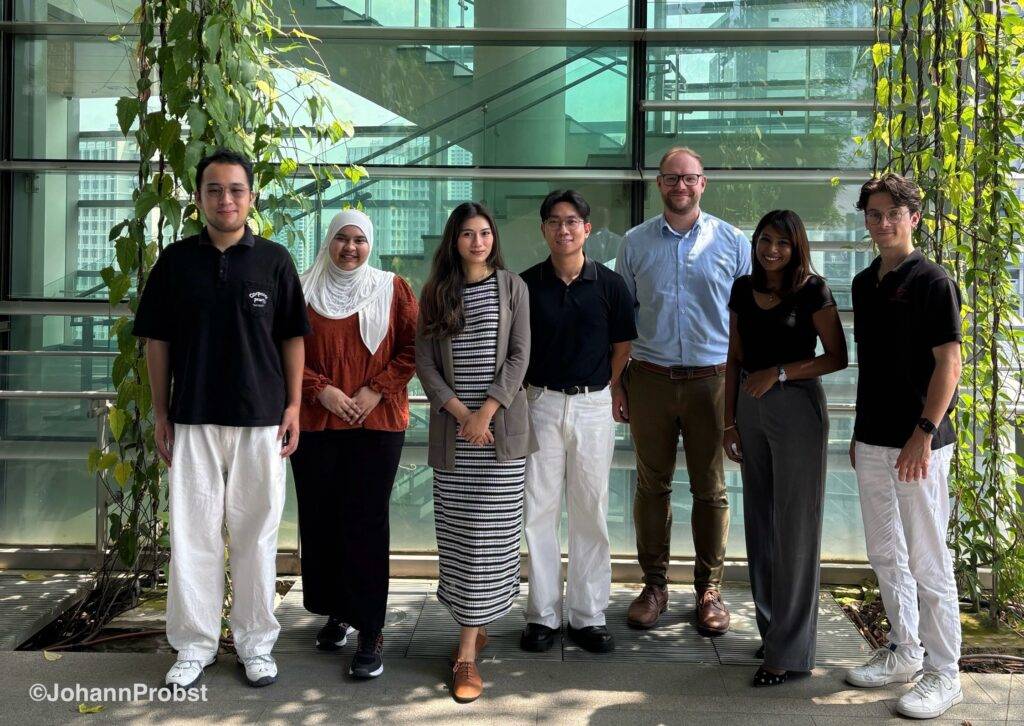
When Johann Probst, a senior high school student in the TUMKolleg programme was searching for an internship, he chose TUMCREATE – a multidisciplinary research institute in Singapore.  Drawn by the health-tech research projects and the chance to work with an international team in TUM’s overseas campus, he flew from Germany to join a team of enthusiastic scientists and immersed himself in Singapore’s culture.  While such opportunities may feel daunting for many 18-year-olds, Johann is no stranger to them. His semester in Vancouver, Canada, as part of a high school exchange programme in 2023, sparked his pursuit of global learning.  At TUMCREATE, Johann joined the LightSPAN research team to support the preparation of a randomised controlled trial testing LightUP, an app-based digital-health intervention. The project investigates how light exposure can be optimised to support health and well-being across the lifespan.   Read about Johann’s time in TUMCREATE and the valuable lessons he gained along the way.         As a TUMKolleg student, you work on a specially designed research project at the Technical University of Munich (TUM) once a week. Could you share more about what you are working on?  We conduct individual research projects at a TUM professorship or research group of our choice. While we are taught in high school following an in-depth curriculum using diverse forms of teaching and learning, we can take part in selected courses at the university. Our research projects are spread across various TUM departments.   With my background in rowing, I chose the Department of Health and Sports Sciences to conduct a study investigating the “Maximum oxygen uptake and usage in rowing: Comparison of full body exercise versus single muscle training protocols” under the supervision of Dr. Fabian Stöcker.    That’s interesting! Tell us more about your research project.  The project started in January 2025 and is scheduled to conclude by the end of October. For the last eight months, I’ve spent my Wednesdays at TUM overseeing rowing performance tests to determine the maximum amount of oxygen used by different muscle groups during exertion. We performed three different exertion test protocols for each of the 12 participants, focusing on the legs, upper body, and full body respectively. Our results show that the amount of oxygen used during the exertion of the legs was similar to the amount of oxygen used by the whole body. Only a limited amount of blood can be used by the muscles during exertion, possibly because the blood pressure in the brain needs to be kept above a minimum threshold. These findings have practical applications: They can enhance the rowers’ training strategies. My final step is to write and submit a research paper.   How did you learn about the opportunity at TUMCREATE and what made you go for it?  At TUMKolleg, we were challenged to seek out an internship at an international company or institution. I came across TUMCREATE which stood out for its international orientation and the focus on projects around digital health.   While I love to travel and have been to different countries and cultures, I had never been to Asia. Having the chance to combine the internship with a dive into Singapore, one of the most fascinating cities of the world, turned out to be a unique and rewarding opportunity for me.    What was your experience as a Research Assistant working on the LightSPAN research project at TUMCREATE like?  During my internship with the LightSPAN group, the team was a few weeks away from testing their new “LightUP” app and all its components out in the open for the first time, and many preparations were underway. I learnt how many hours of careful and dedicated work it takes to get ready all the components from the app availability over device setup to its final testing. I saw how closely the team needed to work together to make the project happen.   My task was to come up with and evaluate ways to adapt the project to other climatic regions such as Germany. I am very thankful that Dr. Resshaya Murukesu, postdoctoral fellow, and Prof. Dr. Manuel Spitschan, principal investigator of LightSPAN, took the time to show and explain all the aspects of the project and the underlying biological principles and mechanisms. All the members of the group really supported me, and it made integrating into a new environment easier.     Share with us one major highlight during your time here.  The highlight of my time in Singapore was the presentation of my work not only to the whole LightSPAN team, but also to the rest of TUMCREATE. Presenting in front of such an experienced group was challenging, but it made me proud as I was able to share the results of my time at LightSPAN. In fact, to be part of the team was an exceptional experience.     What’s next for you?  I’m preparing for the Abitur exams, the German general university entrance qualification, an A-levels equivalent, to graduate in early June 2026. I’ll commence university later in 2026. I’ve not decided yet, but it’ll be within the fields of medicine or engineering. I also hope to discover new places and learn more about international research projects.   The LightSPAN project is a collaboration between TUMCREATE and the Yong Loo Lin School of Medicine, National University of Singapore (NUS Medicine) and is supported by the National Research Foundation, Prime Minister’s Office, Singapore under its Campus for Research Excellence and Technological Enterprise (CREATE) programme. 
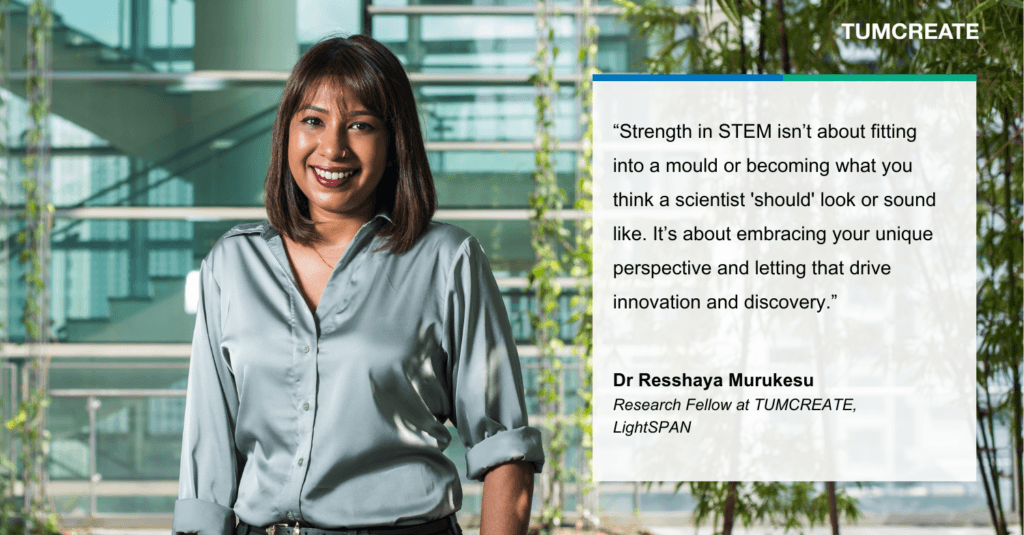
IWD LightSPAN TUMCREATE Researcher Dr Resshaya Murukesu

Breaking Barriers: TUMCREATE Researcher Dr Resshaya Murukesu on Accelerating Action for Women in STEM

Women make up less than 30% of the global STEM workforce1, a statistic that highlights persistent gender biases in the field. Navigating a male-dominated industry as a woman in STEM comes with challenges, but for TUMCREATE Research Fellow, Dr Resshaya Murukesu, it fuels a deeper purpose. It is to positively influence the healthy behaviour of older people through health solutions via research.  Besides the importance of advocating for equal opportunities, “mentorship, support, and ensuring that every woman in research and science feels seen, valued, and encouraged to pursue her ambitions with confidence is needed too,” says Resshaya, reflecting on this year’s International Women’s Day theme, ‘accelerate action’.  Transitioning from clinical work to research   “My journey as an ageing health scientist hasn’t always been linear,” shares the mother of one who holds a PhD in Health Sciences from the National University of Malaysia.  “Transitioning from clinical work to research was a leap, and stepping into a leadership role brought its own set of challenges and opportunities. However, every challenge has reinforced my passion for creating solutions that are effective and accessible to people from all walks of life.”  One of the highlights of Resshaya’s research journey is leading the LightSPAN research project in Singapore, which explores how light exposure can be optimised to support health and boost resilience in ageing.   “We investigate how personalised light-based interventions can optimise circadian health, improve mood, and enhance cognitive function in older adults. It’s really interesting to be working on this novel approach that has the potential to reshape how we think about ageing, offering a simple yet scientifically grounded way to support well-being through something as fundamental as light,” she says.  Although her background is in physiotherapy, the drive to make a greater impact led her into the world of research.  “What resonated with me the most as a physiotherapist was the ability to enhance people’s quality of life. I realised that my passion lies in ensuring people not only live longer but also enjoy a fulfilling life with preserved independence. This led me to deepen my knowledge in health promotion and explore strategies that foster resilience in sustainable and accessible ways — leveraging existing resources and abilities rather than relying on complex interventions,” she continues.  Stepping to leadership and overcoming self-doubts  Her transition to leading a research team has been a learning curve. Like many people in leadership roles, she encountered imposter syndrome and often questioned her ability to lead a talented team. However, through the unwavering support and trust of her project’s Principal Investigator, Prof Manuel Spitschan, and team members, she found the confidence to grow into her role.  “I’ve learnt that leadership isn’t about taking centre stage,” she says. “It’s about ensuring that every voice is heard, every skill is valued, and everyone moves forward together. Just like an orchestra, with each individual playing their part, and together, we can create something truly remarkable.”  Challenging assumptions  As Resshaya continues to thrive in the academic environment, she is determined to challenge assumptions that often limit women’s progress in STEM. One of the biggest assumptions she aims to change is the belief that women must choose between career and family.  “I am grateful to work in an environment where having a family is seen as part of who I am, not a limitation,” says Resshaya. “I’ve witnessed how women with children are sometimes questioned or overlooked. Women should never have to prove their dedication simply because they also nurture a family. We can thrive in both roles, by defining balance in a way that works for us.”  She also pushes back against the notion that women must be aggressive to succeed in leadership roles.   “There is power in collaboration, in empathy, in thoughtful decision-making,” she adds. “Being kind doesn’t mean being passive. Women can lead with strength and compassion, make tough decisions, and set firm boundaries, all while uplifting those around them,” she continues. Women Who Inspire  Resshaya looks up to everyday figures that walk beside her as a source of inspiration. These female figures include her mother, sisters, friends, and colleagues who have shown her the power of quiet determination, the beauty of unwavering support, and the importance of showing up for one another.  One word of advice she would like to share with all women in STEM is: “Be fearless. Be brave. Ask the questions that need to be asked; your curiosity and voice matter. Strength in STEM isn’t about fitting into a mould or becoming what you think a scientist ‘should’ look or sound like. It’s about embracing your unique perspective and letting that drive innovation and discovery.” 

TUMCREATE LightSPAN and Lions Befrienders Sign MoU 241115(2)

Lions Befrienders and TUMCREATE Sign MoU to Study Optimal Light Exposure in Seniors

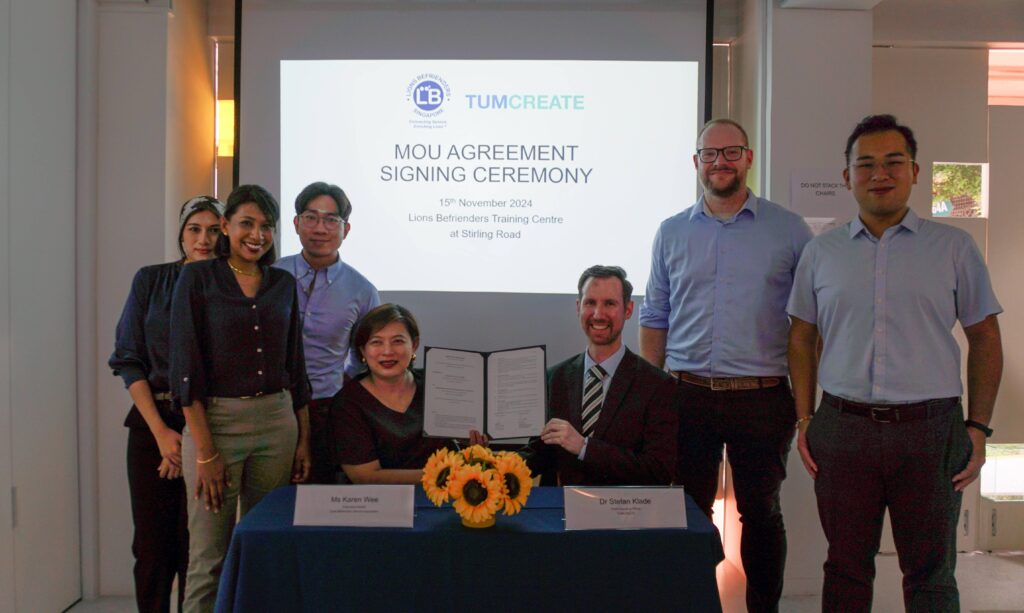
Singapore – 19th November 2024 Lions Befrienders (LB), the social service agency, and TUMCREATE, the research platform of the Technical University of Munich (TUM) in Singapore, will collaborate on a research project, LightSPAN, that aims to evaluate the effectiveness of mobile health (mHealth) interventions in optimising light exposure and improving health outcomes among seniors. A Memorandum of Understanding (MoU) was signed on Friday afternoon by Ms Karen Wee, Executive Director, Lions Befrienders, and Dr Stefan Klade, Chief Operating Officer, TUMCREATE, in a ceremony at the Lions Befrienders Training Centre at Stirling Road. Under this partnership, seniors will learn how to optimise their quality of life and enhance their well-being, sleep quality and mood through increased daily exposure to natural light. This is aligned with the national initiative – Healthier SG which focuses on preventive health and encouraging seniors to take proactive steps to lead healthier lifestyles. “We are thrilled to enter this landmark partnership with TUMCREATE on the LightSPAN project. Proper light exposure is essential to reap the benefits that impact one’s physical, emotional and mental health, but our urbanised lifestyles may notalways allow necessary access to natural light, especially among seniors who spend a significant amount of time indoors,” says Ms Karen Wee. “Through this collaboration, we hope to share such critical knowledge with our seniors in an easy-to-understand way, using data-backed research to help them make informed decisions on ageing well in the community, in line with the Healthier SG programme.” This study is part of the LightSPAN research project funded by the National Research Foundation Singapore, which investigates light exposure across the lifespan and effective and scalable ways to optimise light exposure. LightSPAN represents a significant step towards leveraging environmental factors like light exposure for healthier ageing. By integrating research, technology, and community engagement, the project aims to create scalable solutions for Singapore’s ageing population. It is estimated that by 2030, one in four Singaporeans will be aged 65 or above, up from one in 10 in 20101. Getting the right light at the right time can help seniors to age well and healthily. Light detected through the eyes has a profound influence on human health and wellbeing2, making light exposure a key environmental factor of healthy ageing3. Specifically, seniors are vulnerable to insufficient light exposure which affects their circadian rhythm, sleep, cognition and mood. Stage one of the project led by TUMCREATE will begin in January 2025. The team of researchers will collaborate with senior participants to co-design a study app focusing on their needs and preferences. During this study, the participants will wear a light sensor device throughout the day to measure their exposure to visible light. With the data collected, the participants will receive personalised feedback via the smartphone app called LightUP. The participants will be able to get information on their light exposure trends and receive recommendations through the app on how to adjust their daily routines for improved well-being. Supplementing the study, experts from the TUMCREATE team will give educational talks about the importance of light exposure in facilitating healthy ageing. Consultation sessions with LB community service providers will be held to gather feedback and ensure the study’s intervention is tailored to the needs of seniors. “We are very excited about this collaboration, which will support healthy ageing by focusing on individual needs and preferences in a personalised way,” says Prof. Dr. Manuel Spitschan, the Principal Investigator of the project and Professor for Chronobiology and Health from TUM.   About Lions Befrienders Established in 1995, Lions Befrienders Service Association (Singapore) [LBSA] is a voluntary welfare organisation dedicated to providing holistic care and support to help seniors age healthily in place with community participation, enabling them to enjoy purposeful and meaningful lives. Through the active involvement of some 1,000regular volunteers, LBSA engages more than 13,000 seniors via a spectrum of integrated eldercare services catering to their social, emotional, mental, physical and spiritual needs. LBSA currently operates 10 Active Ageing Centres, two Community Case Management Services regions (East & West), Home Personal Care services, as well as a Befriending arm that reaches out to socially isolated seniors. Website | Facebook | Instagram   About TUMCREATE Founded in 2010, TUMCREATE is a multidisciplinary research platform fostering bilateral research exchanges between the Technical University of Munich (TUM) and the world’s leading universities, local institutions, and public agencies as well as industry partners from the region to contribute to the sustainable transformation of societies through science and technology. Funded by the National Research Foundation, TUMCREATE’s multi-faceted research projects span topics from urban mobility, food science and technology, biomedical technology, and preventive care to solutions for a carbon-neutral megacity. Over the last years, the research teams presented more than 1,000 publications, with more than 70 doctoral students qualified for a career in research and industry. These achievements and the strong rapport established with its international partners reflect the institution’s high-quality research output and scientific impact. Website | LinkedIn | Facebook   About LightSPAN A multi-disciplinary research collaboration between TUMCREATE and the Yong Loo Lin School of Medicine, National University of Singapore (NUS Medicine), and funded by the National Research Foundation (NRF), the Project LightSPAN examines the efficacy of optimising light exposure to reduce myopia prevalence among school-going children and promote resilient ageing through a novel smartphone-delivered behaviour-changing programme. This will lead to the rollout of an individually tailored, low-intensity behaviour-modification programme delivered through the smartphone application “LightUP”.   For further information, please contact: Jeanie Neo Lions Befrienders Branding & Communications Manager Email: gimwhee.neo@lb.org.sg   Faye Soo TUMCREATE Corporate Communications Email: faye.soo@tum-create.edu.sg   References 1. ACTION PLAN FOR SUCCESSFUL AGEING 2023 | Ministry of Health (2024)Available at: https://www.moh.gov.sg/others/resources-and-statistics/action-planfor-successful-ageing 2. Blume, C., Garbazza, C. and Spitschan, M. (2019) Effects of light on humancircadian rhythms, sleep and mood. Somnologie (Berl) 23 (3) pp.147–156. DOI:10.1007/s11818-019-00215-x 3. Shen, J. and Tower, J. (2019) Effects of light on aging and longevity, AgeingResearch Reviews, 53 p.100913. DOI: 10.1016/j.arr.2019.100913

B1ED3724-1C1E-41D1-B0A0-59F7113CC5BB

Reducing Childhood Myopia, Boosting Resilient Ageing Through Novel Light Exposure App

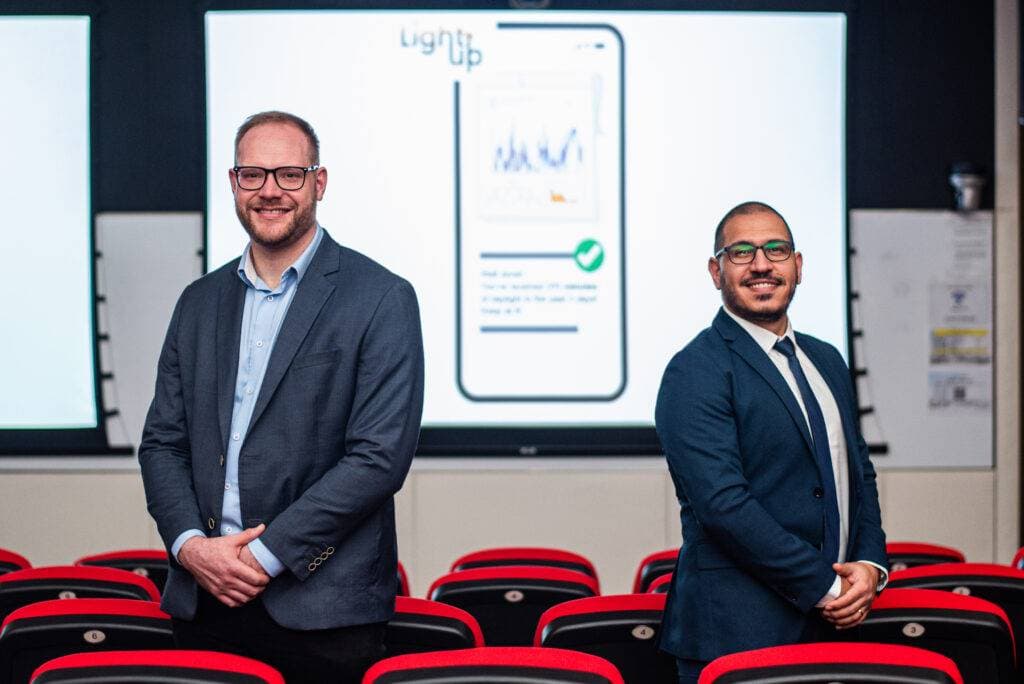
Light has a profound influence on human health, cognition and well-being. In turn, light at the wrong time, or insufficient light exposure, can have significant negative health effects. The optimisation of exposure to daily light can lead to healthier eye and brain development. The multi-disciplinary research project “LightSPAN”, led by TUMCREATE and the Yong Loo Lin School of Medicine, National University of Singapore (NUS Medicine), aims to optimise light exposure in primary school children and seniors through a custom-built, behaviour-changing application for individuals to take a proactive and preventive care approach. The LightSPAN research project has a two-pronged approach to prevent myopia in childhood and adolescence and promote healthier and more resilient ageing, which ties in perfectly with “Healthier SG”. It aims to leverage behaviour-change interventions as a key strategy to empower parents to take charge of their children’s eye health and older individuals to take charge of their health. Thursday, 09 November 2023 – TUMCREATE, a multidisciplinary research platform of the Technical University of Munich (TUM) in Singapore, and the Yong Loo Lin School of Medicine, National University of Singapore (NUS Medicine), kick off a new research project that examines the efficacy of optimising light exposure to reduce myopia prevalence among school-going children and promote resilient ageing through a novel smartphone-delivered behaviour-changing programme. This multi-disciplinary research project will lead to the rollout of an individually tailored, low-intensity behaviour-modification programme delivered through the smartphone application “LightUP”. The app empowers parents to ensure that their children get the right light at the right time to prevent myopia, and senior citizens to improve sleep quality, cognition, alertness and mood. This non-invasive programme leverages individual behaviour as the key strategy to empower individuals to take a proactive role to enhance their eye health, sleep, alertness, cognitive functioning and mental well-being. Additionally, LightSPAN will look into testing and establishing evidence-based lighting designs and policy recommendations for myopia-safe classroom lighting.  Light: a key influencer on human health, cognition and well-being Studies have revealed that light has a profound influence on human health, cognition and well-being. Exposure to bright light has also proven to provide strong benefits in reducing cognitive decline in dementia. The use of high-intensity light, sunlight or blue-enriched white light has also shown to stimulate the melanopsin system – the neurobiological pathway that supports normal circadian rhythms, which helps improve sleep quality, alertness, cognition and mood – functions that change with increasing age. In Singapore, the ageing population comprised 17.6 per cent of the total population (in 2021) and is projected to increase to 23.8 per cent by 2030. In response to the increasing ageing population and rising healthcare costs, Singapore has rolled out the national healthcare reform – Healthier SG – to shift the national healthcare strategy from treatment to prevention. Amid the challenges of coping with an ageing population, Singapore is also simultaneously grappling with a high prevalence of myopia (near-sightedness), with more than 80 per cent of young adults in Singapore affected by the condition. In addition to its very high socio-economic burden, high myopia, which affects nearly three per cent of the world population, can lead to irreversible vision loss. Without adequate interventions, myopia is projected to affect 50 per cent of the world population by 2050, with over one billion individuals with high myopia, making myopia the leading cause of irreversible blindness worldwide. While regular outdoor exposure and exposure to bright light (e.g., sunlight) remains a robust behavioural preventive measure to reduce the incidence of myopia, the implementation remains a challenge for working parents to gauge outdoor time and optimise time spent outdoors in bright light for their children. LightUP: a smartphone application to optimise light exposure for resilient ageing and myopia prevention The LightSPAN project will leverage behaviour as its key intervention strategy and examine its efficacy by targeting two key life stages – childhood and adolescence and late adulthood to optimise light exposure through the innovation of the smartphone application “LightUP”. Using data collected by a novel, wearable light sensor measuring visible and ultra-violet (UV) light exposure, the LightUP mobile app will provide personalised feedback for the user by presenting visualisations of light exposure throughout the day, showing long-term trends in light exposure and sending daily notifications to encourage the user to modify and adapt their behaviour to improve circadian rhythms, alertness, mood and cognition. Professor Manuel Spitschan, from TUMCREATE and co-Principal Investigator of the LightSPAN project, said, “As of now, there are no established guidelines or recommendations for healthy light exposure for senior citizens in Singapore or globally. With preventive care and mental well-being taking centre stage in how people manage their health, the research project aims to empower users to take a proactive approach to take care of their well-being by leveraging light exposure, which is an element that is available in abundance to ease age-related alterations in sleep, cognition, alertness and mood. With the widespread usage of smartphones among Singaporeans, adopting the LightUP application certainly presents a scalable potential for nationwide adoption of the app to deliver low-threshold behavioural intervention to get the right light at the right time.”   The app will also provide quick and easy access, transfer and tracking of light exposure details and nudges whenever additional light exposure is needed so that parents can effectively monitor and optimise their children’s light exposure.  Assistant Professor Raymond Najjar, from the Department of Ophthalmology at NUS Medicine and co-Principal Investigator of LightSPAN project, said, “Children today are experiencing insufficient outdoor and natural sunlight exposure, a concerning trend that is contributing to the alarming increase in childhood myopia. The younger the age of myopia onset, the higher the risk of myopia and associated sight-threatening conditions during adulthood. We need to stop or at least delay the onset of myopia in children. Recognising the pivotal role that outdoor exposure and natural sunlight play in reducing myopia risk, the LightSPAN project aims to introduce innovative, evidence-based strategies for myopia prevention. Through wearable light sensors, coupled with the LightUP mobile app, our initiative will empower parents to monitor their

Scroll to Top